

Many punters sitting down with a drink in hand during a slow arvo want quick action without the fuss of complex rules. The dragon tiger tie bet sits right in that sweet spot for people who prefer a straightforward wager over analysing dozens of outcomes. This review looks at how the mechanic works, where the value hides, and whether the risk matches the reward for everyday players. We focus on the math behind the payout and what that means for your bankroll over a session.
How the Tie Bet Works

The game itself is a simple comparison of two cards, much like comparing two hands in baccarat but stripped back to the essentials. A tie happens when the dealer and the player card share the same rank, ignoring suits entirely. When that occurs, the dragon tiger tie bet pays out at a rate that looks generous on paper but carries a heavier house edge than most side wagers.
In my time producing content for Skywind and managing global launches, I have seen plenty of products where the headline payout masks the true cost. Applied mathematics tells us that an 8:1 or 11:1 return sounds attractive until you run the probability against the full deck distribution. The odds of hitting a tie sit around 9.5 per cent depending on the deck count, which means you will lose far more often than you win on this specific marker. It is a high variance spot that suits short bursts rather than long grinding sessions.
Payout Structure and Expectations
| Payout | Probability | House Edge |
|---|---|---|
| 8:1 | ~9.5% | ~32% |
| 11:1 | ~9.5% | ~22% |
The table above shows why the specific payout rate matters more than the bet name itself. Some variants offer 8:1 while others push to 11:1, and that difference shifts the mathematical expectation significantly for the player. You might reckon a higher number is always better, but the underlying probability remains fixed by the card ranks available in the shoe.
This reminds me of prop bets made on coin flips, spelling and trivia where the event is binary but the payout skews the value proposition. A coin flip is 50/50, yet some bookies offer odds that do not reflect that true chance. Similarly, the tie bet is a specific event within a larger game structure, so treating it like a primary strategy is risky business. It works best as a occasional flutter when the cards are fresh and you are chasing a bit of excitement rather than steady income.
Mobile Experience and Practical Play
Playing this wager on a phone is deceptively simple because the interface usually mirrors the desktop version without much clutter. Responsiveness matters here since you want clear buttons for the tie option without hunting through menus during a busy session. Performance on mobile browsers needs to be snappy so the card flip animation does not lag while you are waiting on the result.
I have overseen production across Australia, Europe, and Asia, and the market expectations vary wildly depending on where the punters are logging in. Australian players tend to want quick loading times and clear navigation that works just as well on a commute as it does at home. A site that feels clunky on a smaller screen will frustrate users who are used to smooth slots and instant table loads. Navigation should let you jump straight to the table without digging through loyalty tiers or bonus codes first.
Player Fit and Risk Management
This bet is not for everyone because the volatility can chew through a bankroll faster than standard player or banker wagers. If you enjoy high risk for a chance at a larger single payout, it has a place in your repertoire. If you prefer steady play with lower variance, you are better off sticking to the main lines. Understanding your own tolerance for losing streaks is key before placing chips on the tie.
The maths does not lie, and treating this as a primary strategy is like betting on greyhound racing sees dogs chase a mechanical lure around a track without understanding the track conditions. It is a specific event with specific odds, not a guaranteed path to profit. Manage your limits, know when to walk away, and treat the tie bet as a feature rather than the whole game.
For players who want to test the waters without committing too heavily, checking out a demo version on a reputable platform helps clarify the pace. You can find a suitable environment to practice at https://tower-rush-online-au.com/ before risking real money. Just remember that no platform changes the underlying odds of the cards themselves.
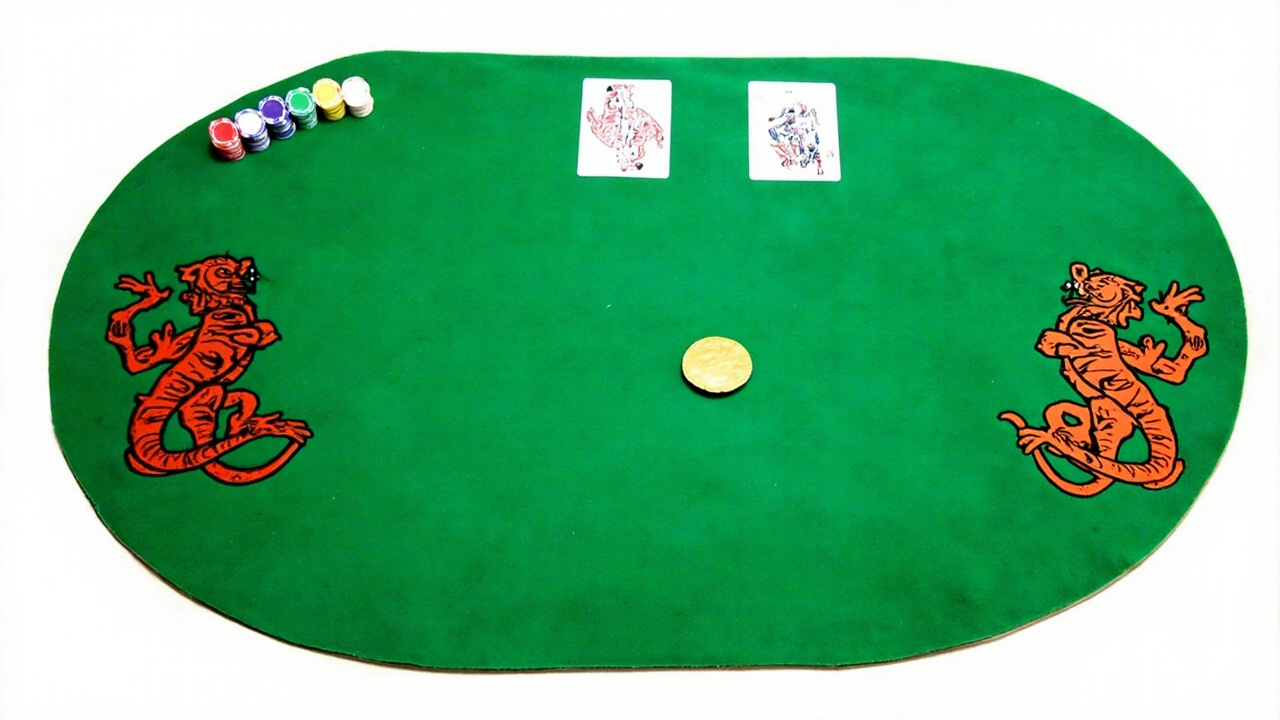
Ultimately, the dragon tiger tie bet suits those who understand the risk and want a quick thrill. It is defo not a cornerstone strategy for long-term play, but it adds spice to a session when used sparingly. Keep your stakes modest, watch the shoe composition if possible, and enjoy the game for what it is rather than what you hope it will pay out.
