

Craps Pass Line Bet Explained: A Player’s Decision Guide
A craps pass line bet explained in plain terms is really about patience and probability, not chasing a quick win. The wager sits on the table, waits for the come-out roll, and either pays immediately or locks into a point that must repeat before a seven. For an Australian player weighing table games online, the pass line is one of the cleaner entry points because the rules are fixed, the house edge stays low, and the action unfolds in a rhythm you can actually read. If you’re comparing options on a site like elvis-frog-trueways-online-au.com, the pass line’s simplicity is what makes it worth a closer look before you commit any chips.
The pass line in plain language
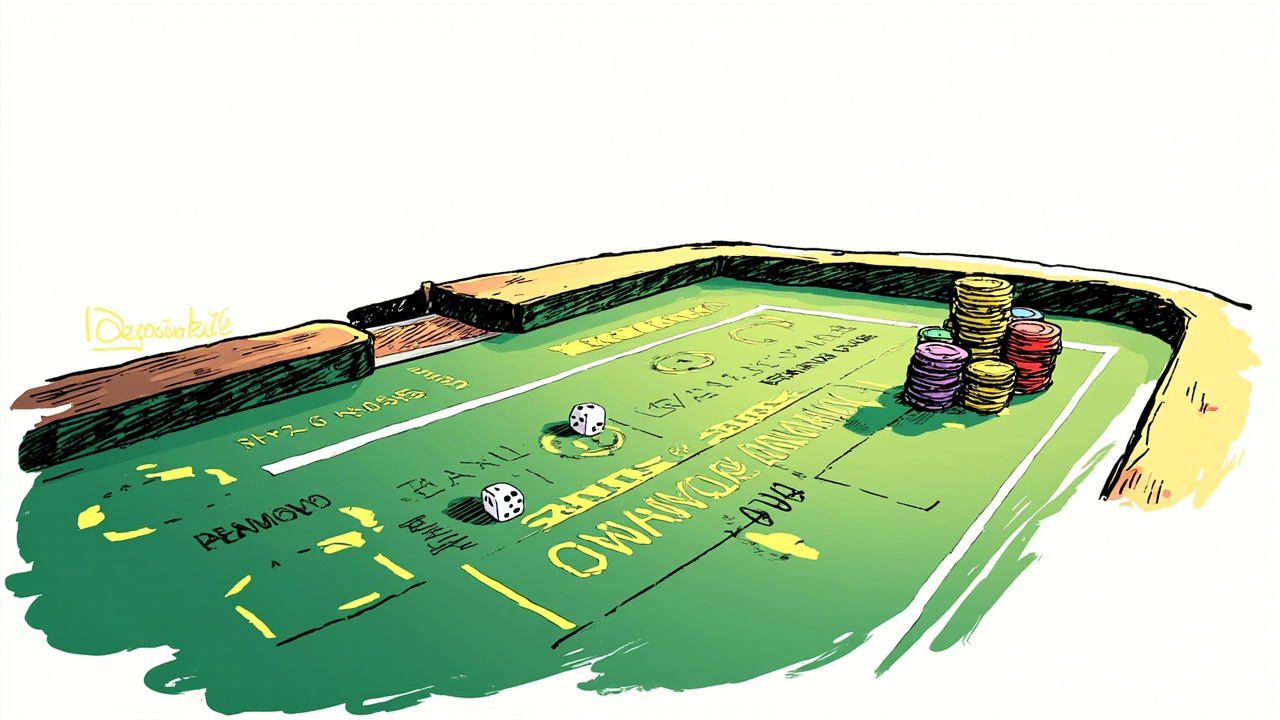
The pass line is a bet that the shooter will win the round, and it pays even money when it does. On the come-out roll, a seven or eleven wins straight away, while a two, three, or twelve loses. Any other number becomes the point, and the shooter must repeat that number before rolling a seven to settle the bet in your favour. That sequence is the whole game, which is why a craps pass line bet explained properly always comes back to the same cycle: come-out, point, resolution.
I’ve spent more than a decade running CRM and lifecycle work in gaming, and the pass line reminds me of how loyalty segments behave when you stop over-engineering them. You don’t need a dozen triggers to understand the flow; you need a clear rule set and a willingness to let the dice do their job. That same discipline shows up when you’re mapping a player journey and trimming noise, because a cluttered message rarely outperforms a simple one that lands at the right moment.
A couple of small details make the table feel real rather than abstract. The dealer button marks the nominal dealer and rotates clockwise each hand, so the person calling the action changes even though the rules don’t. A few tables still keep the old bookies’ penciller habit alive in spirit, where a marker records the point and the bet status by hand so the round stays legible when the pace picks up. You notice that when you’re watching a busy arvo session and the dice are moving faster than the conversation.
What you’re actually weighing before you bet
When I’m judging whether a pass line wager fits a session, I look at three things: the come-out odds, the point phase, and the pace you’re comfortable sitting through. The come-out is the only moment where the bet can resolve instantly, which makes it the most volatile part of the round. A seven or eleven pays immediately, but a two, three, or twelve ends the bet just as fast, so the first roll is where the variance is sharpest. If you prefer action that settles quickly, that’s the phase to watch; if you’d rather ride a point, the next stage is where the bet earns its reputation.
The point phase is where the pass line earns its low house edge, because once a point is set, the bet is no longer a single-roll proposition. The shooter must repeat the point before a seven, and that repeated-number requirement is what keeps the odds tilted only slightly against you. I’ve seen players treat the point as a waiting game and others treat it as a trigger to add side bets, and the difference matters because the base pass line stays clean only if you don’t clutter it. Adam Evans, Head of Analytics, Boomerang Gaming Insights, puts it plainly: the pass line’s appeal is that it rewards patience without pretending the dice have a memory, so the edge stays where the math says it should.
The third factor is pace, and that’s where an Australian player’s preferences usually show up. Some sessions run fast because the table is busy and the shooter changes often, while others drag because the point holds and the rolls keep coming. Samuel Evans, iGaming Regulatory Consultant, Outback Gaming Research, notes that the pass line is one of the few wagers where the rules are identical from one table to the next, which means the real variable is how you handle the rhythm rather than whether the bet itself is inconsistent. If you’re the sort who likes to settle in for a steady run, the point phase is where you’ll spend most of your time, and that’s worth factoring in before you push chips forward. elvis-frog-trueways-online-au.com
- Come-out roll: seven or eleven wins, two or three or twelve loses, any other number sets the point.
- Point phase: the shooter must repeat the point before a seven for the bet to win.
- Payout: even money on a winning pass line bet, with the edge built into the rule set rather than a flashy multiplier.
- Pace: the round can resolve in one roll or stretch across several, so your comfort with waiting matters as much as the odds.
Who the pass line suits best
The pass line is a good fit for players who want a straightforward wager with a fixed rule set and don’t need constant side action to stay engaged. If you’re comfortable letting a round play out and you understand that a point can hold for a while, the bet gives you a clean way to participate without juggling multiple propositions. It’s less suited to anyone who wants every roll to decide the outcome immediately, because the point phase is built around repetition rather than instant resolution.
I’ve managed campaign timing long enough to know that the right message at the wrong moment still flops, and the same logic applies here. The pass line works when you’re willing to match your expectations to the rhythm of the table, not when you’re hoping a single bet will carry a whole session. That’s the practical question I’d ask myself before placing chips: do I want a wager that settles fast, or one that can sit in a point and still pay even money when it finally clears?
For an Australian player, the fit often comes down to how you like to spend an evening at the tables. If you’re down at a Wollongong club or logging in from home after work, the pass line’s structure is easy to follow and doesn’t demand a lot of table chatter to make sense. It’s a bet that rewards attention to the rule cycle more than it rewards chasing a streak, which is why it tends to suit players who value clarity over noise.
Reading the table before you place the bet
Before you put chips on the pass line, it helps to watch a couple of rounds and notice how the point phase actually unfolds. Some shooters roll quickly and keep the table moving, while others take their time and let the point settle in, and that difference changes how the bet feels in practice. You’re not trying to predict the dice, but you are trying to decide whether the pace matches the way you want to play.
It also pays to keep the base bet clean and leave the side wagers alone unless you’ve already decided what you’re comfortable adding. The pass line does its job when it stays simple, and the moment you start layering extra propositions, the round stops being a single decision and starts becoming a stack of smaller ones. That’s the practical trade-off: the cleaner the bet, the easier it is to read the table and stay consistent with your own limits.
I’ve seen sessions where the pass line felt almost quiet because the point held and the rolls kept coming, and I’ve seen others where the come-out rolled through fast and the table reset before anyone had time to settle. Neither outcome is a signal to change the rules; it’s just the rhythm of the game, and the bet is built to handle both. If you can sit with that, the pass line is one of the more manageable ways to take a seat at the table.
A craps pass line bet explained honestly is less about finding an edge and more about choosing a wager whose rules you can actually follow from one roll to the next. The come-out gives you a quick settlement, the point phase asks for patience, and the even-money payout keeps the bet readable without dressing it up. For an Australian player weighing table options, that combination is what makes the pass line worth a place in your session plan, provided you’re comfortable with the pace and clear on the rule cycle before you push chips forward.
